Sleeping with makeup on may seem like a harmless habit after a long day or night of partying. Many people have done it at some point, whether out of fatigue or simply forgetfulness. However, this seemingly minor oversight can have significant consequences for the health of your skin and eyes.
Both dermatologists and ophthalmologists warn against going to bed without removing your makeup. This article explores the risks associated with sleeping with makeup on, such as clogged pores, acne, skin irritation, and, most seriously, the possibility of permanent eye damage.
Why you should never sleep with makeup on
1. Clogged pores and breakouts
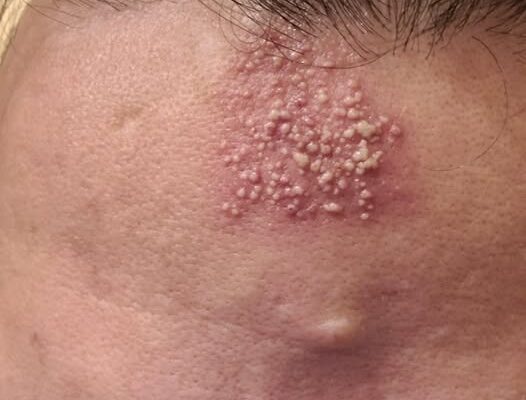
Foundation, concealer, blush, and powder are designed to stay on the skin for long periods, but not indefinitely. If left on overnight, these products can clog pores. Throughout the day, makeup can accumulate dirt, sweat, and oil from the environment and your skin. Sleeping in it prevents your skin from regenerating overnight, increasing your risk of developing blackheads, whiteheads, and acne.
According to the American Academy of Dermatology, not washing your face before bed is one of the main habits that can lead to breakouts and long-term skin problems. Your skin performs essential repair processes while you sleep, and clogged pores disrupt these natural cycles.
2. Premature aging
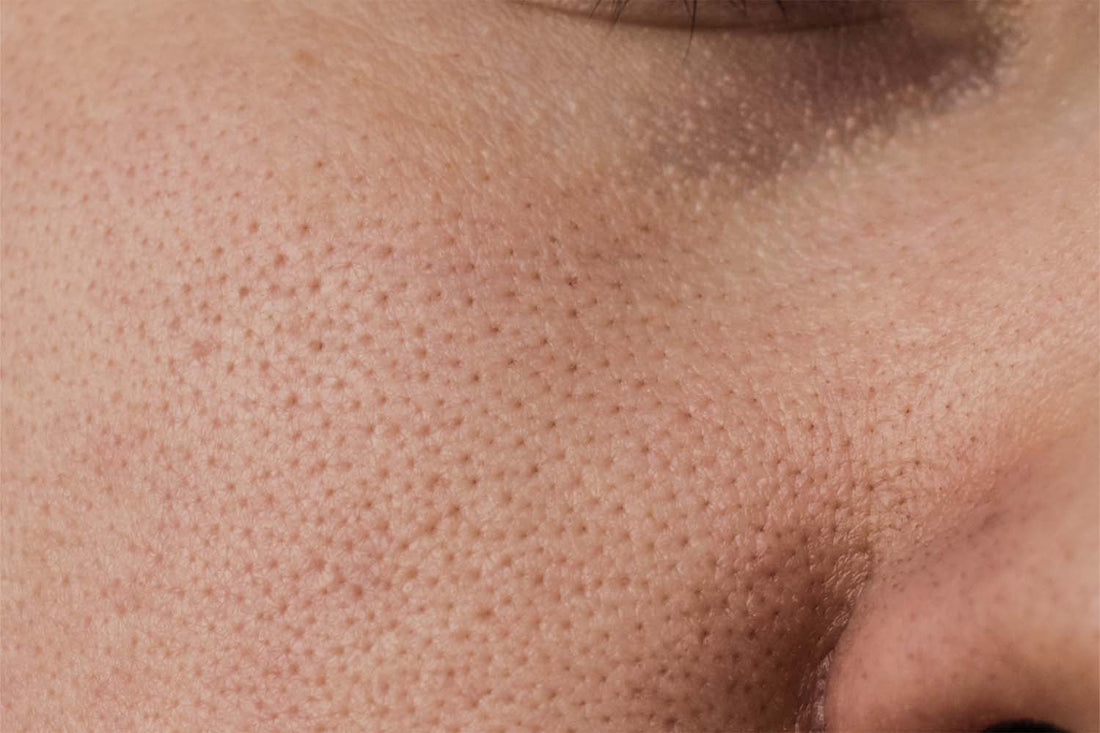
Makeup residue, combined with daily exposure to pollution, can generate free radicals on the skin’s surface. These unstable molecules damage collagen, a protein that keeps skin firm and elastic. The accumulation of free radicals contributes to premature aging, with the appearance of fine lines, wrinkles, and a dull complexion.
A study published in Free Radical Biology and Medicine noted that chronic exposure to environmental pollutants accelerates skin aging through oxidative stress.
3. Eye infections and eyelid damage
One of the lesser-known, but serious, consequences of not removing makeup is its effect on eye health, especially mascara and eyeliner. These products are often waterproof or long-lasting, making them difficult to remove with water alone. If left on overnight, particles can migrate into the eyes, increasing the risk of:
- Conjunctivitis (red eye)
- Styes (painful lumps on the eyelid)
- Irritation and redness
- Ingrown eyelashes
- Allergic reactions

Even more troubling is the documented case of a 50-year-old Australian woman suffering from chronic eye discomfort. Upon examining her upper eyelids, doctors discovered multiple hard, black concretions formed by decades of unremoved mascara. These concretions, embedded under the eyelids, posed a serious risk of infection and could have caused permanent vision loss if left untreated. Doctors successfully removed them in a 90-minute procedure, but not without scarring the inside of the eyelids.
4. Dry and brittle eyelashes
Mascara is formulated to coat and strengthen eyelashes, making them look longer and fuller. However, leaving it on while you sleep can dry them out, making them brittle and prone to breakage. Over time, this can lead to thinning eyelashes and even hair loss along the lash line.
Additionally, waterproof mascaras are more likely to cause buildup over time if not removed properly, increasing the chances of lash damage and root infections.
5. Dull and irritated skin
Makeup not only clogs pores, but it also prevents the skin from shedding dead cells overnight. This causes residue buildup that can leave skin dull and irritated. Makeup particles trapped overnight can also worsen skin conditions such as rosacea, eczema, or dermatitis.

What dermatologists recommend
Use a gentle makeup remover
Cleansing oils, micellar waters, or gentle wipes are a good first step for removing makeup. Dermatologists recommend following up with a water-based cleanser to remove any residue. Double cleansing ensures the removal of both oil- and water-based impurities from the skin.
Don’t forget the eyes
Eye makeup requires special attention. Use a specific eye makeup remover or micellar water on a cotton pad and gently press it against your lashes for a few seconds before wiping it off. Avoid rubbing vigorously, as this can damage delicate skin and lashes.
Keep makeup remover near your bed
If you tend to forget to remove your makeup, keep wipes or micellar water near your nightstand as an alternative. A partial cleanse is better than none at all.
Incorporate a skincare routine
After cleansing, apply a moisturizer appropriate for your skin type. Nighttime is when your skin regenerates, so nourishing it with serums or creams can help repair and protect it from environmental damage.

The psychology behind jump elimination
Some people know the risks, but still don’t remove their makeup due to fatigue, forgetfulness, or underestimating the consequences. A 2013 survey by the skincare brand Simple revealed that nearly 30% of women admitted to not removing their makeup at least twice a week. While an occasional oversight may not cause noticeable damage, consistently skipping this step can have long-term effects.
Common myths about sleeping with makeup on
“It’s just one night. It won’t hurt.”
One night may not cause permanent damage, but even a single lapse can lead to acne, irritation, or eye discomfort, especially for those with sensitive skin.
“Natural makeup is safer for sleeping.”
Even organic or “clean” makeup can clog pores and irritate the eyes if not removed. All makeup, regardless of its ingredients, should be removed before bed.
“I use setting spray to keep it clean.”
Setting spray can set makeup, but it doesn’t make it less damaging overnight. Makeup combined with pollution, oil, and bacteria remains a danger to skin and eye health.

Conclusion: Be intentional about your nighttime habits
The moral is clear: always remove your makeup before bed. It’s a simple and quick habit that can protect your skin and eyes from long-term damage. With so many gentle and effective products available today, there’s no excuse to neglect this essential part of self-care.